




5 Key Architectural Trends Shaping Modern Building Design in 2026


Modern architecture trends are shifting toward a seamless blend of aesthetics, spatial efficiency, and sustainable building design. Property owners no longer want spaces that just look stunning — they're actively searching for energy-efficient home design that cuts costs, maximizes natural lighting, and adapts to evolving residential and commercial needs.

Key Takeaways

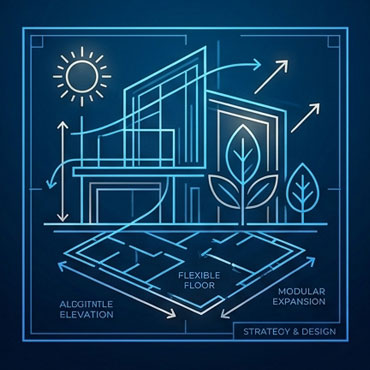
  • Passive Solar Design: Passive solar architecture aligns building orientation and window placement to naturally heat and cool interiors, reducing reliance on mechanical systems and lowering long-term energy costs.

  • Flexible Floor Plans: Adaptable floor plans and modular home layouts create multi-use space design that easily reconfigures as lifestyle or business requirements evolve — a growing priority in both residential and commercial building design trends.

  • Biophilic Design: Biophilic architecture integrates indoor-outdoor living design, natural timber accents, and green wall design to enhance well-being, visual warmth, and connection to nature.

  • Sustainable, Climate-Responsive Building: Beyond aesthetics, climate-responsive architecture and net-zero building design principles are becoming standard, helping structures perform efficiently across changing seasons and rising energy demands.

  • Smart, Future-Ready Architecture: Smart home architecture is merging with sustainable design, giving owners automated control over energy use while keeping buildings future-ready and value-driven.

FAQs

  • What are the latest architectural trends for 2026?
    The leading trends include passive solar design, flexible floor plans, biophilic design, climate-responsive architecture, and smart home integration — all focused on sustainability and long-term value.

  • How does passive solar design work?
    It works by positioning a building's orientation and windows to capture and retain natural heat in cooler months while minimizing heat gain in warmer ones, reducing dependence on artificial heating and cooling.

  • What are the benefits of biophilic design in architecture?
    Biophilic design improves indoor air quality, boosts occupant well-being, and adds visual warmth by incorporating natural elements like timber, greenery, and indoor-outdoor transitions.

  • Is sustainable architecture more expensive than traditional building design?
    Sustainable and energy-efficient building design typically costs more upfront, but the investment pays off through lower utility bills, reduced maintenance, and stronger long-term property value.

Conclusion

At Line Works, our architectural design services balance striking visuals with long-term structural efficiency. Investing in smart architectural planning upfront guarantees your build remains timeless, energy-efficient, and value-driven for decades.

Latest News

March 11th, 2026

Architecture & Design Strategy

5 Key Architectural Trends Shaping Modern Building Design in 2026...

Read more
Jan 13th, 2026

Construction Management & Timelines

How Proper Construction Management Keeps Complex Projects on Time and Budget...

Read more

dec 7th, 2025

Master Builder Expertise

Architect vs. Builder: Why You Need Unified Execution for Your Next Build...

Read more

Offer your project to Line Works team.

Let's talk